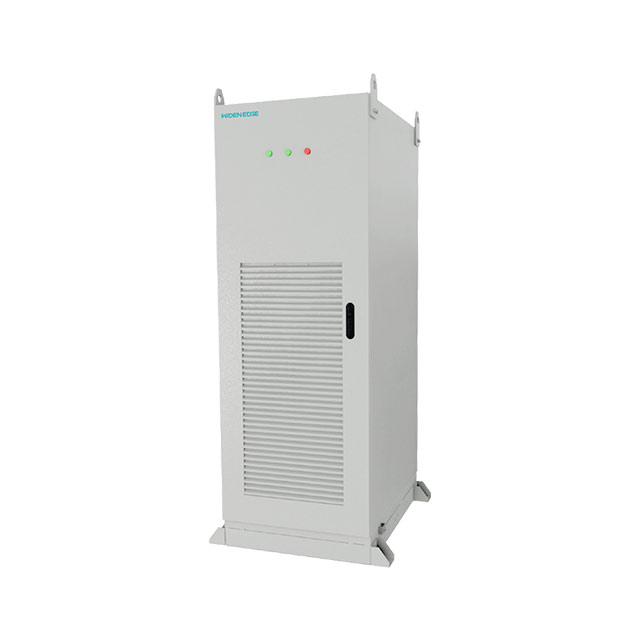
A storage inverter installed on a coastal island, at a desert site, or beside an isolated industrial load faces a different reliability problem from equipment placed in a clean indoor electrical room. Dust can block cooling paths, humidity and salt can accelerate corrosion, temperature can widen the thermal operating range, and long travel distances can make routine maintenance difficult.
An industrial energy storage inverter for such a site therefore has to be evaluated as environmental equipment as well as electrical equipment. The same applies to an off grid solar storage inverter, because loss of the converter can interrupt the local power system rather than merely reduce economic performance.
Environmental Exposure Changes the Reliability Baseline
Harsh-site selection begins with the conditions surrounding the cabinet. Fine dust can accumulate on filters and heat-transfer surfaces, moisture can reach vulnerable components, and salt-laden air can increase corrosion risk near coastlines.
High or low ambient temperature also changes the cooling margin available to semiconductor devices, capacitors, magnetics, and auxiliary systems. An industrial energy storage inverter needs a protection concept that matches these exposures, including enclosure sealing, dust control, water protection, and thermal management appropriate to the installation.
An IP rating is one useful reference because it describes resistance to solid-particle and water ingress, but it does not describe every environmental stress. Temperature range, humidity, corrosion exposure, altitude, ventilation, and maintenance intervals still require separate review, especially where technician access is limited.
Dust, Moisture, and Heat Affect More Than the Enclosure
Environmental protection has an electrical consequence. Restricted airflow raises internal temperature, while moisture or contamination can reduce insulation margins and increase the chance of tracking or corrosion over time. Cooling design, cabinet layout, and protective structures therefore influence whether rated power remains available under difficult conditions.
An off grid solar storage inverter that operates near its thermal limit in a clean test environment may have less margin once filters load with dust or ambient temperature rises. WidenEdge addresses this type of operating context in two different product forms.
For larger installations, the MGC 600kW uses built-in filters to limit dust intrusion, while front-and-rear doors provide maintenance access as cabinets are added. The MGC 45/60kW addresses smaller systems exposed to island, dusty, or humid conditions through a high-protection design. Its two DC interfaces also permit simultaneous PV and battery connections. These features serve different installation priorities: dust management and service access in larger cabinets, and environmental protection with flexible energy integration in remote microgrids.
Electrical Flexibility Still Has to Match the Site
Protection alone does not make equipment suitable for remote operation. Battery voltage range, load imbalance, renewable input, and grid conditions can be just as decisive. The MGC 45/60kW platform supports a wide battery-voltage range and provides two DC interfaces so photovoltaic and battery sides can be connected at the same time.
In off-grid operation it supports 100% single-phase unbalanced loads and uses grid-forming control with virtual synchronous generator and droop functions. For an off grid solar storage inverter, those capabilities address the reality that remote systems may combine variable solar generation with uneven local loads and no strong utility reference.
Large remote projects can present a different problem: capacity may have to grow without replacing the original conversion system. WidenEdge’s MGC 600kW can use single-bus or multi-bus DC configurations and a modular cabinet arrangement.
As capacity grows, cabinets can be linked intelligently and installed side by side, while front-and-rear doors preserve service access around the expanded lineup. Environmental selection therefore interacts with system architecture and future expansion.
Maintenance Access Is Part of Reliability Planning
A product that survives the environment but is difficult to service can still create operational risk. Remote facilities often have limited spare parts and specialist access, so filter access, diagnostics, and module replacement affect downtime.
Front-and-rear access can matter when equipment is installed in a constrained enclosure, while modular expansion can reduce the need for a full redesign when local demand grows. The surrounding system also needs to be considered. Solar generation, batteries, diesel backup, and local loads may all depend on the converter during islanded operation.
A failure can therefore affect the entire energy chain. Selection criteria are stronger when they combine ingress protection, thermal margin, electrical operating range, load behavior, grid-forming functions, and service strategy rather than treating any one specification as a proxy for reliability.
A Site-Condition Checklist Before Final Selection
The most useful comparison starts with the environment the inverter will actually face: temperature extremes, dust level, humidity, salt exposure, installation altitude, service access, and expected maintenance frequency.
Electrical checks then cover battery voltage, photovoltaic integration, load imbalance, overload requirements, grid strength, and expansion plans. For an industrial energy storage inverter, this sequence keeps environmental durability tied to the operating duty instead of separating mechanical and electrical decisions.
Two product configurations illustrate the different demands of harsh sites: WidenEdge’s high-protection 45/60kW platform targets island, dusty, and humid conditions, while the dust-protected modular 600kW platform addresses larger systems that may need capacity growth.
Harsh-environment suitability is ultimately the ability to keep the required electrical functions available despite the conditions around the cabinet. That is the standard by which remote storage equipment earns reliability in practice.
SEO Title: How to Select an Energy Storage Inverter for Harsh and Remote Operating Environments | WidenEdge
Meta Description: Read our latest insights on How to Select an Energy Storage Inverter for Harsh and Remote Operating Environments. Explore exposure, maintenance, and site fit.
