The confectionery sector is experiencing significant shifts as consumer expectations evolve rapidly. Shoppers are increasingly seeking out snacks that offer unique sensory experiences, tailored health benefits, and environmentally conscious production methods. For retail businesses, standardizing inventory is no longer sufficient to maintain a competitive edge. Customization and innovation have become critical elements of modern retail strategy.
To address these changing consumer demands, many retail brands are expanding their private label assortments. Developing exclusive confectionery lines allows stores to control their brand narrative and optimize category margins. Consequently, understanding the latest product development trends is vital for retailers aiming to create successful store-branded inventory.
Successfully navigating these trends often requires collaboration with an experienced private label gummy manufacturer. Production partners provide the technical infrastructure and formulation expertise necessary to bring innovative concepts to retail shelves. By examining the current trajectory of product development, commercial buyers can make informed decisions when expanding their custom candy offerings.
The Shift Toward Complex and Adventurous Flavor Profiles
Traditional flavors like standard cherry or grape remain foundational, but modern consumers are actively exploring more sophisticated taste profiles. There is a notable increase in demand for adventurous combinations, such as tropical fruit blends, tart botanical infusions, and even savory or spicy notes. This shift is particularly prominent among adult consumers who view confectionery as a premium indulgence rather than a simple sugary treat.
Retailers are utilizing private label gummies to capitalize on these emerging flavor preferences. By developing exclusive taste combinations, stores can cater to localized market demands or introduce seasonal limited editions. A specialized private label gummy manufacturer plays an important role here, utilizing advanced flavor extraction techniques and precise ingredient balancing to help the final product delivers an authentic taste experience.
In regional markets across Asia and Europe, for instance, there is growing interest in tea-inspired flavors like matcha or white peach oolong. Incorporating these nuanced profiles into private label gummies requires extensive formulation testing. Working with a capable production facility ensures that these complex flavors remain stable throughout the product’s shelf life without degrading during transit or storage.
Embracing Novelty Shapes and Visual Customization
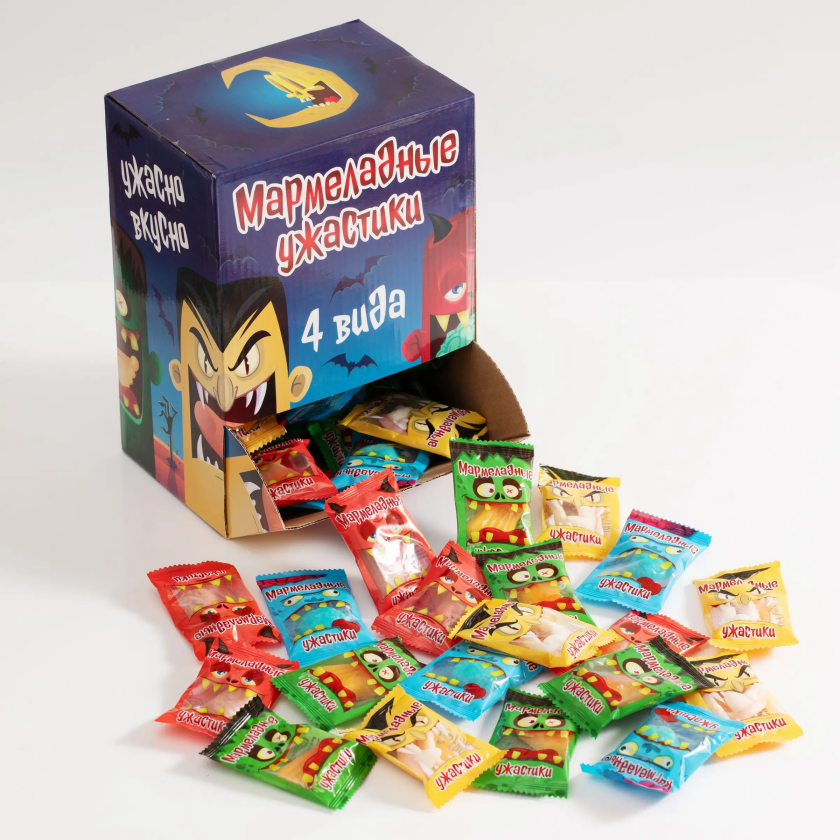
Visual appeal remains a primary driver of impulse purchases in the retail candy aisle. Consumers, particularly younger demographics, are drawn to confections that offer playful, engaging shapes and vibrant colors. Standard gummy bears or worms are frequently being supplemented by intricate, custom-designed molds that align with specific retail themes, holidays, or licensed properties.
Collaborating with a proficient private label gummy manufacturer allows retail brands to explore highly customized visual formats. Specialized facilities utilize advanced molding technologies, such as automated NID starch mogul systems, to create detailed novelty items. Examples include intricately designed burger candies, cola bottles, or custom character shapes that establish immediate visual interest on the shelf.
This level of structural customization provides retailers with a distinct merchandising advantage. When store-branded items feature unique shapes unavailable through mainstream national brands, it enhances the perceived value and exclusivity of the product. Creating visually distinct private label gummies helps establish a stronger brand identity and encourages consumers to associate the specific retail outlet with innovative snacking options.
Adapting to Dietary Preferences and Clean Label Demands
Health consciousness is significantly influencing product development across all food categories, including confectionery. A growing segment of the consumer base is actively seeking snacks that align with specific dietary restrictions or lifestyle choices. There is a sustained push for transparent ingredient sourcing, often referred to as the “clean label” movement, where shoppers scrutinize packaging for artificial additives.
To meet this demand, retailers are increasingly reformulating their private label gummies. A major trend involves the transition from traditional gelatin to plant-based gelling agents like pectin. This adjustment caters to vegan and vegetarian demographics while maintaining a satisfying, chewy texture. Furthermore, there is rising interest in products utilizing natural fruit juices and colors derived from botanical sources rather than synthetic dyes.
Achieving these clean-label formulations presents distinct technical challenges. Natural colors can be susceptible to fading, and plant-based gelling agents require precise temperature controls during manufacturing. Partnering with an experienced facility is crucial for navigating these complexities. Established producers manage these variables effectively, delivering stable, appealing products that meet modern dietary expectations.
Integrating Functional and Fortified Ingredients
Beyond simple indulgence, there is an expanding market for confections that offer added nutritional benefits. The line between dietary supplements and everyday snacks is becoming increasingly blurred. Consumers are showing interest in gummies fortified with vitamins, minerals, or probiotics, seeking convenient and enjoyable methods to supplement their daily routines.
While navigating the regulatory landscape for fortified foods requires careful oversight, retailers are slowly exploring this category within their custom lines. Developing functional private label gummies requires a sophisticated understanding of ingredient interactions. Active compounds must be integrated without compromising the intended taste or texture of the final confectionery product.
Advancing Sustainable Production Practices
Environmental responsibility is becoming a core consideration for modern consumers and retail buyers alike. The confectionery industry is gradually adopting more sustainable practices, from ingredient sourcing to final packaging. Retailers are seeking production partners who prioritize resource efficiency and minimize environmental impact throughout the manufacturing process.
HAPI, operating a modern facility in Vietnam, recognizes the importance of these sustainable initiatives. The company strives to implement efficient production protocols that align with the growing demand for environmentally conscious manufacturing. By utilizing advanced, automated machinery, the facility optimizes energy consumption and reduces material waste during large-scale production runs.
Packaging innovation is another vital aspect of this sustainability trend. Retail buyers are increasingly requesting recyclable materials or minimalist packaging designs for their custom orders. Working with a versatile producer like HAPI allows commercial clients to explore packaging solutions that meet both logistical requirements and environmental considerations, supporting a more sustainable supply chain.
Turning Trends into Store-Brand Products
The product development landscape for retail confectionery is characterized by rapid innovation and increasing customization. From complex flavor profiles and intricate shapes to clean-label ingredients and sustainable practices, the demands placed on modern candy lines are multifaceted. Retailers who actively adapt to these trends are better positioned to capture consumer interest and drive category growth.
Implementing these diverse product developments effectively requires a reliable technical foundation. Partnering with a skilled manufacturing facility enables retail brands to translate emerging market trends into tangible, successful products. By leveraging professional formulation expertise and advanced production capabilities, businesses can continuously refine their store-brand offerings and build lasting consumer loyalty in a competitive market.
