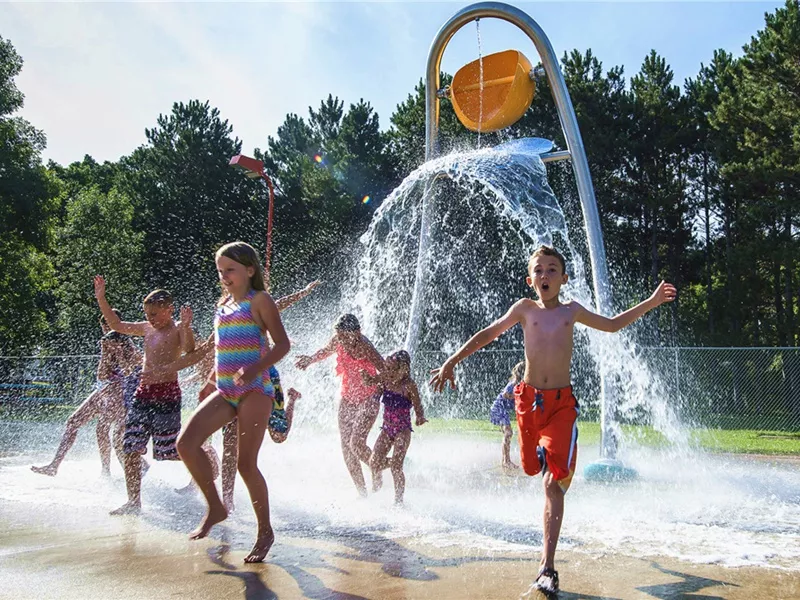
Splash pads have become popular attractions for resorts, family entertainment centers, public parks, and commercial aquatic facilities because they provide interactive experiences without traditional swimming-pool depth requirements. However, behind every successful splash area is a carefully planned water system.
For developers, understanding the differences between water treatment approaches is essential when selecting equipment, controlling operating costs, and creating a safe environment. A reliable water park manufacturer can help project teams balance attraction design with practical water-management requirements.
Understanding Different Splash Pad Water Approaches
When planning a splash pad, developers typically evaluate two main operating models: recirculating systems and flow-through systems. The decision affects infrastructure, maintenance procedures, water consumption, and long-term operation.
A recirculating system collects used water from the splash area, processes it through filtration and disinfection equipment, and returns it to the play features. This approach allows water to be reused multiple times and can reduce continuous water consumption.
A flow-through system operates differently by using fresh water from an approved source and discharging it after use. Since the water does not return to the play features, the system generally requires fewer water-treatment components. However, it may result in higher water usage depending on operating schedules and local conditions.
Comparing Recirculating vs Flow-Through Splash Pad Options
The choice between these two systems depends on project priorities. The decision of recirculating vs flow-through splash pad solutions should consider the site’s available resources, expected visitor numbers, regulations, and operational goals.
Recirculating systems are often considered for larger commercial facilities where water conservation is important. They require tanks, pumps, filtration equipment, chemical treatment systems, and monitoring controls. While the initial investment can be higher, reduced water consumption may create advantages over the attraction’s operating lifespan.
Flow-through systems may be suitable for smaller installations or locations with sufficient water availability. Their simpler design can reduce equipment requirements and maintenance complexity. However, developers need to evaluate water supply costs, drainage capacity, and environmental requirements before choosing this option.
Water Quality Considerations for Commercial Projects
Water quality is a central factor in any splash pad design. Since these attractions involve direct contact between users and water features, developers need systems that support hygiene, consistent operation, and easy maintenance.
According to the Centers for Disease Control and Prevention (CDC), splash pads that recirculate water require proper filtration, disinfection, monitoring, and turnover management to maintain water quality. The CDC also emphasizes that operators should regularly test disinfectant and pH levels while maintaining appropriate circulation and treatment processes.
A well-designed splash pad water management system should integrate pumps, filters, chemical controls, drains, and monitoring devices according to the attraction’s scale. These components should be considered during early planning rather than added after the play features have already been selected.
Designing Better Kids Aqua Play Experiences
The attraction concept itself also influences water-system planning. Jinchao’s kids aqua play products are designed for children’s interactive water environments, combining entertainment value with visual appeal. According to Jinchao’s product description, these water-play features are created around children’s playful nature and can serve as both scenic highlights and sources of continuous fun. The products are available in stainless steel and fiberglass.
For commercial developers, children’s areas often require careful consideration because young visitors may interact with multiple features simultaneously. Spray zones, tipping elements, fountains, and other interactive components need appropriate drainage and circulation planning.
A professional water park manufacturer can support this process by helping buyers match attraction layouts with hydraulic requirements. This coordination helps ensure that the selected water system can handle expected usage while supporting a comfortable guest experience.
Operational Factors Developers Should Evaluate
Beyond construction, daily operation plays a major role in system selection. Recirculating systems require routine monitoring of water quality, inspection of treatment equipment, and scheduled maintenance. Operators need trained staff who understand testing procedures and equipment performance.
A flow-through splash pad system may have fewer treatment responsibilities, but operators still need to manage drainage, cleaning, and water supply controls. The attraction surface, nozzles, pipes, and mechanical components require regular attention regardless of the chosen system.
Developers should also consider seasonal operation. Facilities with high summer attendance may need stronger capacity planning, while locations with shorter operating periods may prioritize simpler maintenance requirements.
Balancing Investment, Sustainability, and User Experience
Choosing the right water system is not only a technical decision but also a business consideration. Developers should compare initial construction costs with long-term expenses, including water consumption, energy use, maintenance labor, replacement parts, and equipment management.
Sustainability has become increasingly important for modern aquatic facilities. Water-saving designs can help reduce resource consumption while supporting responsible operation. At the same time, the system must deliver reliable performance during busy periods when guest expectations are highest.
For attractions such as Jinchao’s kids aqua play, the water system should enhance the overall experience rather than limit attraction performance. Proper planning allows operators to provide exciting play opportunities while maintaining efficient daily operation.
How Jinchao Supports Commercial Water Park Development
Jinchao provides customized water park equipment solutions for commercial projects, including water slides and children’s aquatic attractions. As an experienced water park manufacturer, the company focuses on supporting developers through planning, design, manufacturing, and project implementation.
Its kids aqua play range demonstrates how attraction design and material selection can support different project requirements. Stainless steel and fiberglass options provide flexibility for various themes and environments, allowing developers to create attractive children’s zones.
By considering attraction design, hydraulic requirements, and operational needs together, project teams can avoid common challenges during development. Early cooperation with experienced suppliers helps create a more coordinated approach from concept planning to final operation.
Building Smarter Splash Pad Projects for the Future
Splash pad success depends on more than selecting attractive play features. Developers must evaluate water use, treatment requirements, maintenance plans, and operational goals before construction begins.
Both recirculating and flow-through approaches have their own advantages, and the right choice depends on each project’s conditions. Working with an experienced water park manufacturer allows developers to make informed decisions while creating engaging attractions.
With thoughtful planning, Jinchaos kids aqua play solutions can become part of a complete splash pad concept that combines creativity, reliable performance, and efficient water management for long-term commercial value.
