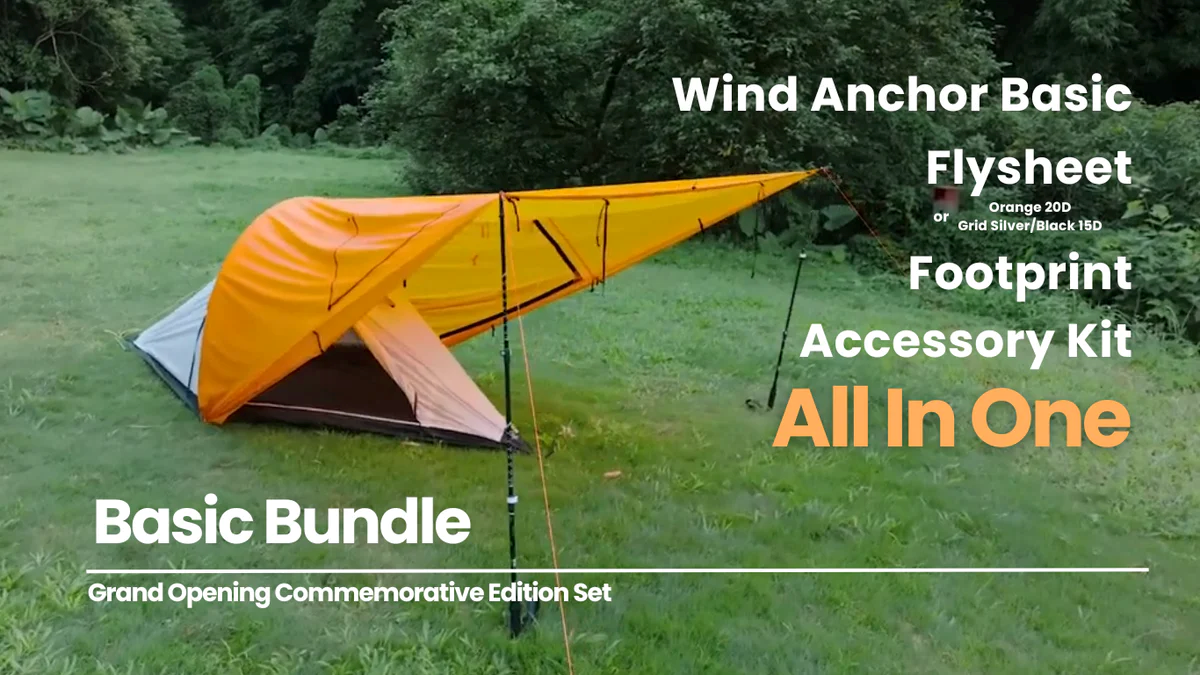
Outdoor shelters face a range of challenges that go beyond simple rain protection. Campers may need to manage changing weather, wet equipment, limited space, condensation, wind exposure, and the practical demands of carrying gear over long distances. A versatile flysheet can address several of these concerns at once, especially when it is designed to serve different functions without adding unnecessary bulk.
Protecting the Tent from Persistent Rain
Rain is one of the most obvious shelter challenges, but the difficulty is not simply keeping water from falling through the fabric. Prolonged precipitation can also make entrances, gear storage areas, and surrounding campsite spaces difficult to use. A well-designed outer layer can create an additional protective zone between the sleeping area and the weather.
THECATAL’s Wind Anchor 10D Flysheet uses 10D ripstop nylon with a high-performance PU coating, according to the product information provided by the manufacturer. The flysheet is designed to provide additional weather protection when placed over the compatible tent system, helping separate the inner shelter from direct exposure to rain.
A waterproof flysheet is therefore useful not only because it blocks precipitation, but also because it changes how the rest of the shelter interacts with wet conditions. By creating an outer weather barrier, it can help keep the sleeping area more protected while giving campers greater freedom to manage entrances and outdoor gear.
Creating Space for Wet and Dirty Gear
One of the practical problems during rainy camping trips is deciding where to put wet boots, muddy packs, rain jackets, or other damp equipment. Bringing everything inside the sleeping area can make the tent cramped and introduce additional moisture and dirt.
A flysheet can solve part of this problem by creating a covered transition space. The Wind Anchor 10D can be configured as a vestibule, providing an area outside the main tent entrance where gear can be stored under cover. This can be especially useful during multi-night trips when equipment needs to remain accessible while being protected from precipitation.
This setup also changes the way campers enter and leave the tent. Instead of opening directly into exposed rain, users can move through a sheltered area first. Such a simple design can make wet-weather camping more comfortable without requiring a larger, heavier tent.
Addressing the Need for Flexible Shelter Configurations
Another common challenge of shelter is that different trips require different setups. A compact overnight hike may call for minimal protection, while a longer base camp can benefit from additional covered space. Carrying separate shelters for each situation, however, can increase both cost and pack weight.
This is where the concept of a universal tent rainfly becomes useful. A multifunctional flysheet can be adapted to the requirements of different camping scenarios rather than being limited to one fixed configuration.
The Wind Anchor 10D is presented as a three-way shelter component. It can function as a rain fly over the tent, operate as a vestibule, or be used independently as a standalone shelter supported by trees or trekking poles.
For backpackers, this flexibility can be particularly valuable. A camper may use the flysheet as an added weather layer during a storm, convert it into a gear area at camp, or deploy it independently when a full tent is unnecessary. The result is a piece of equipment that can change roles according to the trip rather than remaining tied to one specific use.
Managing Condensation While Maintaining Weather Protection
Keeping rain outside is important, but completely closing a shelter can create another issue: trapped moisture. Breathing, perspiration, wet clothing, and humid outdoor air can contribute to condensation, particularly when overnight temperatures drop.
For this reason, effective flysheet design has to consider airflow as well as water resistance. The Wind Anchor 10D product information specifically describes structured venting intended to help keep condensation under control while the waterproof coating provides weather protection.
This balance matters because moisture management affects comfort over an entire night. A shelter that protects against rain but allows excessive humidity to accumulate may still feel unpleasant inside. Ventilation gives humid air a route to move away, while the outer layer continues to provide a barrier against changing weather.
Proper setup remains important here. Campers should avoid blocking designated ventilation areas and should pitch the flysheet with appropriate tension. These small adjustments can influence how efficiently air circulates around the shelter.
Reducing the Weight Penalty of Extra Protection
For hikers, every additional piece of equipment has to justify the weight it adds to a pack. Carrying a separate rain shelter, gear canopy, and emergency cover can quickly become impractical on longer routes.
THECATAL approaches this issue through a flysheet designed around multiple functions. The Wind Anchor bundle is promoted as a lightweight shelter system, with the product page stating that its complete tent bundle has a minimum setup weight of under 1 kg. The flysheet itself is intended to support several camping configurations instead of serving as a single-purpose accessory.
This multi-use approach can reduce the need to carry duplicate shelter equipment. Instead of treating weather protection, storage space, and temporary shade as separate problems, campers can use one adaptable component according to the conditions they encounter.
Supporting Quick Changes in Weather and Terrain
Outdoor conditions rarely remain constant. A clear morning can become rainy in the afternoon, while a calm campsite can become more exposed as wind direction changes. A shelter system that allows adjustment can be more practical than one that requires a complete setup change.
A standalone flysheet can provide another option when a full tent is not necessary. The Wind Anchor 10D can be rigged between trees or trekking poles as an awning or minimalist lean-to, according to the product description. This makes it suitable for situations such as trail breaks, lightweight overnight setups, or temporary covered areas.
The ability to change configurations also gives campers more control over how they use their available space. Instead of remaining fixed to one shelter layout, the flysheet can be positioned around the needs of the campsite, whether that means protecting a sleeping area or creating a covered spot for equipment.
Solving Several Shelter Problems with One Component
The real advantage of a multifunctional flysheet is not a single feature but the way several problems can be addressed through one design. Rain protection, covered storage, condensation management, flexible configurations, and weight efficiency are closely connected challenges in outdoor camping.
THECATAL’s Wind Anchor 10D Flysheet illustrates this approach by combining a lightweight outer layer with multiple setup possibilities. The THECATAL design gives campers a practical way to adapt their shelter as weather and campsite needs change, rather than relying on one rigid configuration. For backpackers and other outdoor users, that flexibility can make shelter equipment more useful across a wider range of trips.
