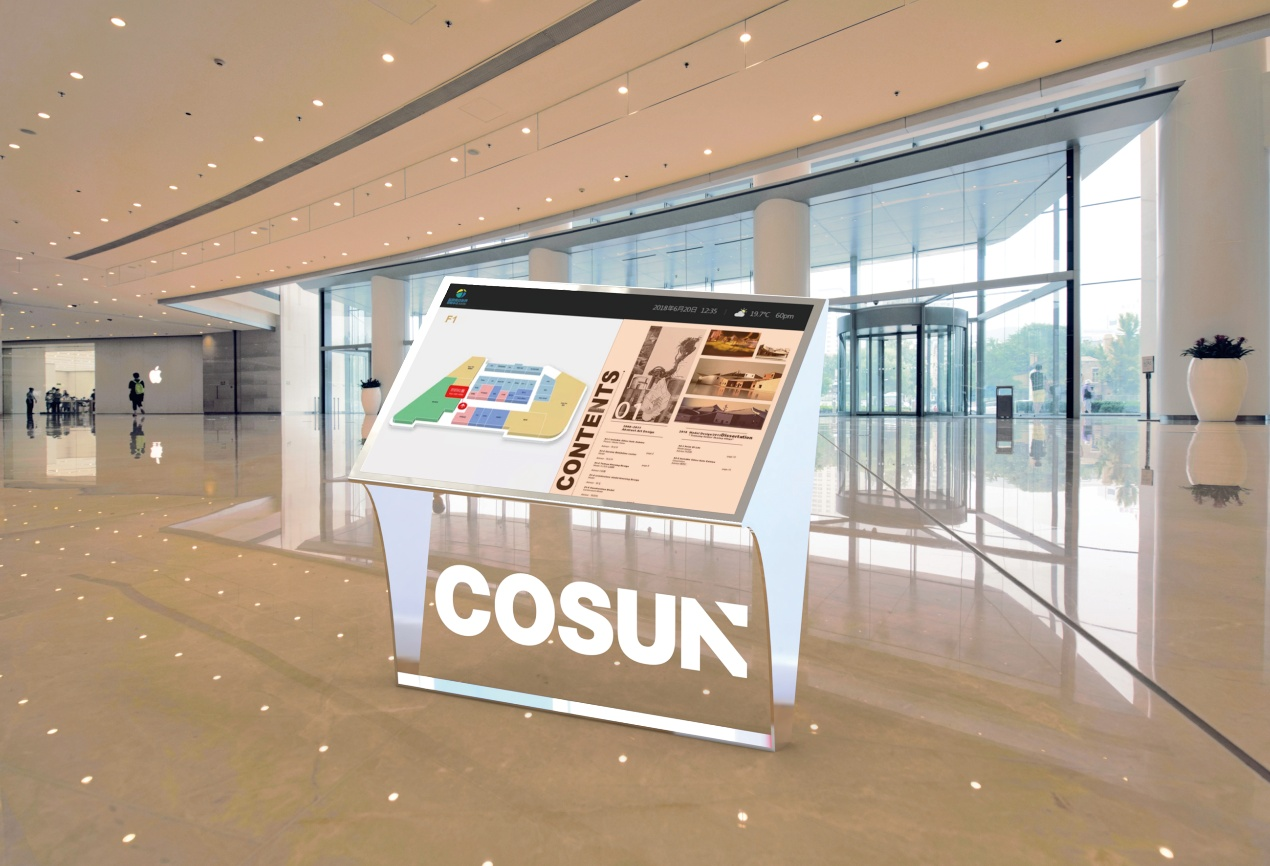
Shopping malls, industrial parks, and office buildings need clear directional signage to help visitors find destinations efficiently. For developers and procurement teams, selecting a reliable signage manufacturer is essential to maintaining consistent design, material quality, and branding across a project.
Sourcing these components from a seasoned industrial fabricator ensures every directional pylon, wall-mounted directory, and suspended plaque aligns perfectly with the original architectural vision. The global supply chain, extending from initial conceptual drawings to final container shipment, involves meticulous engineering and project management.
Buyers need assurance their overseas manufacturing partner can handle complex technical requirements and deliver structural perfection, especially since localized installation support is not part of the standard export service package.
The Blueprint of Effective Custom Wayfinding Signage
The journey begins before raw steel or acrylic enters the factory floor. Effective directional programs for shopping malls or corporate campuses start with comprehensive design development. While overseas clients handle site surveys and field installation, the fabrication partner must translate conceptual blueprints into viable manufacturing schematics.
Securing top-tier custom wayfinding signage means engineers meticulously review structural integrity, material suitability, and internal illumination requirements before production.
This phase determines whether a towering outdoor pylon needs reinforced internal steel framing to handle regional wind loads, or whether a sleek indoor directory can use lightweight aluminum composites for easier wall mounting. Material selection directly influences the longevity and visual impact of these directional assets. Stainless steel, premium acrylic, tempered glass, and marine-grade aluminum represent standard industry choices.
Surface finishes, including suitable protective coatings or powder coating, should be selected according to the material, intended environment, and project specifications. During the engineering phase, technicians carefully map out internal electrical layouts for illuminated units, guaranteeing compliance with safety standards.
Engineering Capabilities and Advanced Fabrication
Once blueprints gain structural approval, the commercial project transitions into the heavy fabrication stage. A well-equipped production floor utilizes advanced CNC routing, laser cutting, and precision bending machinery to shape raw metals and durable plastics into exact specifications. Precision remains non-negotiable; even a single millimeter of deviation can misalign structural seams or compromise weatherproofing seals on exposed outdoor units.
For large-scale industrial park projects, maintaining consistency across hundreds of individual directional pieces is paramount to preserving a cohesive aesthetic layout. Specialized welding and surface-finishing processes ultimately separate average suppliers from true industry leaders. Technicians employ seamless welding techniques to create smooth, unblemished edges on prominent metal structures.
Choosing the right wayfinding signage manufacturer ensures that once welding cools, units move promptly into climate-controlled painting booths. Utilizing dust-free environments guarantees heavy-duty automotive paint cures flawlessly, providing a robust shield against intense UV radiation, heavy moisture, and severe temperature fluctuations. If the project requires internal illumination, the manufacturer can integrate LED modules, test brightness uniformity, and apply appropriate sealing to help prevent water ingress.
Rigorous Quality Assurance Protocols
Mass production without uncompromising oversight inevitably leads to costly project delays, especially when shipping heavy architectural components across the globe. Therefore, comprehensive quality control remains a continuous process throughout the manufacturing cycle. Dedicated inspectors evaluate everything, ranging from the initial thickness of raw metal sheets to the color accuracy of the final painted surface, ensuring absolute adherence to strict brand guidelines.
For illuminated signage, quality checks can include inspections of electrical components, lighting uniformity, and operating performance according to the confirmed project specifications. This vital step identifies potential transformer anomalies or premature LED failures long before units reach the packaging department. Structural assessments are equally demanding.
Freestanding outdoor pylons must demonstrate the ability to withstand specified regional wind loads, requiring robust internal chassis designs and perfectly aligned mounting base plates. Conducting inspections before shipment helps identify potential defects and reduce the risk of damaged or nonconforming products reaching the overseas project site.
Secure Packaging for International Transit
The final hurdle in international procurement involves moving highly sensitive, bulky structures across vast oceans without sustaining physical damage. Standard commercial cardboard boxing is entirely insufficient for heavy directional units. Instead, specialized export packaging protocols must be deployed immediately. Each finished piece is meticulously wrapped in anti-static protective film and thick pearl cotton to prevent surface scratches during transit.
Following this protective wrapping, units are securely fastened within custom-built, fumigation-free wooden crates. These reinforced crates are engineered to bear significant external weight and resist the intense vibrations associated with long-haul maritime freight. Inside the crate, metal structures are heavily braced to prevent internal movement.
The dedicated logistics team strategically coordinates the optimal loading sequence into shipping containers, maximizing cubic space efficiency while guaranteeing heavier structural items do not crush delicate aesthetic components. This attention to export packaging guarantees overseas local installation crews receive pristine units, ready for immediate assembly.
Partnering for Architectural Excellence
Securing high-quality directional systems for modern commercial developments requires a dedicated fabrication partner capable of managing complex structural demands and rigorous export logistics. When property developers seek a reliable OEM or ODM provider, they specifically look for proven expertise in material engineering, precision manufacturing, and secure global shipping.
By collaborating directly with Cosun Sign, project managers gain immediate access to a streamlined, highly efficient production pipeline designed explicitly to serve demanding international markets. From the very first translation of architectural blueprints into actionable manufacturing schematics to the final loading of export-ready wooden crates, every step is optimized for lasting structural integrity and visual perfection.
This approach helps overseas developers coordinate their projects with greater confidence, knowing that the signage products are manufactured to approved specifications and prepared for export. Local contractors remain responsible for on-site installation, based on the project drawings and installation requirements.
