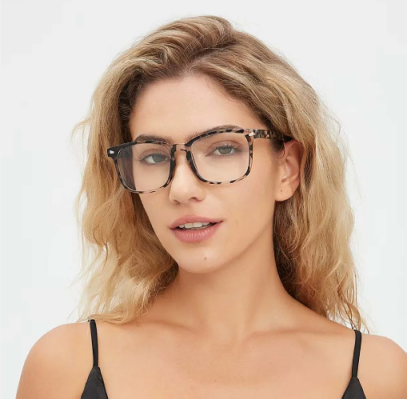
Choosing the right eyeglasses manufacturer can influence product quality, inventory planning, customer satisfaction, and long-term business growth. For eyewear chains, fashion accessory brands, optical retailers, supermarkets, and pharmacies, the selection process involves more than comparing prices. A manufacturer becomes part of the supply chain, which means production capabilities, quality control, and communication standards can all affect business performance. Before placing orders, buyers should evaluate several important factors that help determine whether a supplier can consistently meet commercial requirements. Understanding these factors can reduce sourcing risks and improve purchasing decisions over time.
Manufacturing Experience and Export Knowledge
One of the first aspects to evaluate is industry experience. An established eyeglasses manufacturer usually has a better understanding of material selection, production processes, packaging requirements, and international market expectations. Companies that have exported products for many years often encounter a wide range of customer requirements and regulatory standards, allowing them to respond more efficiently to common challenges.
For example, JHEYEWEAR has more than a decade of export experience in eyewear manufacturing. They work with wholesalers, optical stores, pharmacies, supermarkets, and fashion brands in different markets. Long-term export involvement can help suppliers understand documentation requirements, shipping arrangements, and product compliance expectations across multiple regions. Buyers can benefit from this accumulated knowledge when developing new product lines or entering unfamiliar markets.
Product Range, Materials, and Customization Capabilities
A second factor involves product diversity and customization support. Different retail channels require different eyewear styles. Optical stores may prioritize prescription frames, while fashion brands often focus on seasonal collections and design flexibility. A supplier with a broad product portfolio can support changing market demands more effectively.
Material options should also be carefully reviewed. Common eyewear materials include acetate, metal alloys, TR90, polycarbonate, and TPEE. Each material offers different characteristics related to flexibility, durability, weight, and comfort. Buyers should discuss intended use scenarios with suppliers before selecting materials.
As an example, one product offered by JHEYEWEAR is a bulk flexible TPEE frame kids polarized sunglasses model. The product combines polarized lenses with flexible TPEE frame material designed for active children. Such products illustrate how manufacturers can adapt material choices to specific user groups.
In addition to standard products, we support OEM and ODM services, including logo customization, color selection, packaging customization, and design development. For stock items, we can typically arrange shipment within 3–5 days depending on inventory availability. For customized projects, the MOQ is generally 1200 pieces per style, and production lead time is approximately 7–45 days depending on style complexity and order quantity.
Quality Control Systems, MOQ Requirements, and Delivery Performance
Quality management is another critical consideration. Even attractive product designs may create problems if production consistency cannot be maintained. Buyers should ask detailed questions about incoming material inspections, in-process quality checks, finished product testing, and packaging verification procedures.
A dependable supplier should be able to explain how defects are identified and corrected before shipment. Quality control processes are especially important for eyewear because frame alignment, hinge performance, lens installation, and surface finishing directly affect user experience.
Minimum order quantity requirements should also be reviewed during supplier evaluation. Some manufacturers focus primarily on large-volume production, while others can support smaller orders. Understanding MOQ policies helps buyers plan inventory more accurately and avoid unnecessary stock pressure.
Delivery capability is equally important. Fast-moving retail environments often require flexible replenishment schedules. Manufacturers with available stock programs may provide shorter lead times, while customized projects generally require additional production time. According to publicly available company information, JHEYEWEAR supports both ready-stock products and customized manufacturing programs, with lead times varying according to design requirements and order volume. Buyers should always confirm production schedules before finalizing purchasing plans.
Certifications, Communication, and Long-Term Cooperation Potential
The final group of factors includes certifications, communication efficiency, and partnership potential. Product certifications and factory audits help buyers verify manufacturing standards and business practices. Depending on target markets, customers may request documentation related to quality management systems, social compliance programs, or product testing requirements.
Communication is another frequently overlooked factor. Delays in responding to design revisions, packaging approvals, or production updates can create unnecessary complications. A supplier that provides clear information and timely feedback can improve project management throughout the order cycle.
Long-term cooperation should also be considered. A suitable supplier is not necessarily the lowest-cost option. Instead, buyers should assess whether the manufacturer can support future product expansion, seasonal collections, and evolving customer expectations. A manufacturing partner capable of handling OEM development, ODM projects, quality assurance, and ongoing product innovation may provide greater value over time than a supplier focused solely on short-term transactions.
Conclusion
Selecting an eyeglasses manufacturer requires a comprehensive evaluation process rather than a simple price comparison. Manufacturing experience, export knowledge, product variety, material expertise, customization capabilities, quality control systems, MOQ policies, delivery performance, certifications, and communication standards all contribute to sourcing success. Companies such as JHEYEWEAR demonstrate how factory experience, OEM and ODM support, diverse eyewear products, and established export operations can address the needs of wholesale buyers. By carefully reviewing these seven areas before making a decision, retailers and distributors can build stronger supply chains and create a more stable foundation for long-term business development.
