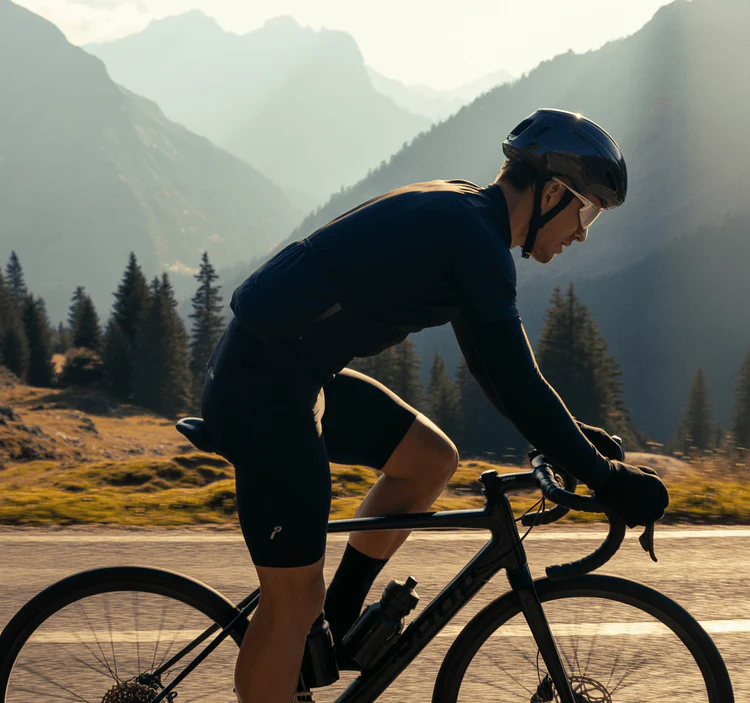
Cycling enthusiasts seeking functional kit often navigate a vast market of technical claims and varied price points. Balancing budget constraints with long-distance comfort requires evaluating material properties rather than relying on high price tags. Discerning high-performance affordable cycling clothing involves scrutinizing textile construction, pad ergonomics, and seam execution. Careful inspection of these physical features allows riders to select dependable gear that supports endurance riding across diverse road and trail conditions.
Evaluating Fabric Elasticity and Shape Retention
High-grade synthetic materials maintain consistent compression without restricting natural motion during pedaling. Technical garments rely on resilient polyamide and elastane matrices that stretch evenly across working muscle groups. Inferior fabrics lose elasticity quickly, leading to sagging panels that create excess wind drag. Testing the rebound response of textiles shows whether garments maintain their shape through demanding workouts.
Durable cycling apparel incorporates tightly knitted fibers that resist stretching out over repetitive leg movements. Proper elastic recovery stabilizes large leg muscles, helping delay physical fatigue on long ascents. Selecting garments with balanced stretch properties helps maintain aerodynamic alignment against the body through varying outdoor weather conditions.
Assessing Chamois Pad Density and Support
Anatomically sculpted seat pads serve as the critical interface between pelvic bones and saddle surfaces. Effective chamois designs integrate multi-layer foam structures that cushion sit bones while relieving soft-tissue pressure points. Przewalski Cycling bib shorts feature multi-density foam chamois designed to provide support and maintain comfort during long rides.
Low-density gel inserts often shift or lose shape over extended riding hours, causing friction against sensitive skin. Layered foam architectures maintain structural support while allowing sweat evaporation through micro-perforations. Checking for firm, targeted padding helps cyclists select bib shorts capable of providing sustained relief on endurance routes.
Examining Flatlock Seams and Friction Control
Skin irritation caused by repetitive rubbing turns training sessions into uncomfortable experiences. Flatlock stitching joins panel edges without leaving raised ridges, preventing severe abrasion along inner thighs. Strategic seam placement keeps structural joins away from high-friction contact zones near the saddle edges.
Riders searching for durable affordable cycling clothing can verify seam quality by gently pulling panel boundaries apart. Reinforced stitching prevents thread unraveling caused by leg motion and frequent machine washing. Thoughtful panel layouts allow garments to follow pedaling biomechanics smoothly without pinching skin.
Inspecting Ventilation and Moisture Management
Thermoregulation depends on fabrics that pull moisture away from skin to accelerate exterior evaporation. Mesh inserts across back panels and bib straps promote steady airflow, preventing damp heat accumulation during intense efforts. Modern cycling apparel pairs hydrophobic synthetic threads with open-weave patterns to maintain skin dryness.
Effective moisture transfer keeps riders comfortable during steep climbs and cold descents. Fast-drying textiles reduce post-effort chills caused by wind hitting wet fabric. Gear featuring ventilated upper structures assists natural heat dissipation during warm summer rides.
Reviewing Ergonomic Fit and Panel Architecture
Proper garment shaping minimizes loose material that flaps in the wind and creates drag. Tailored multi-panel construction contours to the body in a forward riding posture, supporting muscle movement without binding at joints. Wearing well-designed Przewalski cycling bib shorts helps maintain a streamlined profile over long distances.
Anatomical paneling allows technical fabrics to stretch in directionally specific ways around active muscles. This targeted flex pattern provides gentle compression without restricting deep breathing or hip extension. Riders benefit from pre-shaped cuts that feel natural once leaning over handlebars.
Checking Leg Gripper Construction and Stability
Riding comfort in cycling apparel requires stable hems that stay positioned without cutting off leg circulation. Modern laser-cut thigh bands distribute retention forces evenly over wider surface areas. Przewalski cycling bib shorts use wide silicone leg grippers to help keep the hems securely in place during riding.
Traditional narrow elastic bands often pinch skin or roll upward during continuous pedaling. Soft fabric cuffs with integrated grip elements hold hems firmly in place on rough roads. Stable leg openings prevent constant manual adjustments while riding over uneven terrain.
Evaluating Thermal Insulation for Cold Conditions
Cool-weather riding demands thermal protection that retains body heat while releasing internal sweat vapor. Soft brushed fleece linings create a layer of trapped air that insulates muscles against cold headwinds. Selecting effective affordable cycling clothing for winter involves balancing warmth with breathability.
Windproof front panels shield chest and leg muscles from chilly gusts during fast descents. Meanwhile, air-permeable rear panels prevent overheating when climbing steep gradients. Layered fabric systems allow cyclists to maintain stable core temperatures through seasonal transitions.
Considering In-House Production and Quality Standards
Direct management of manufacturing facilities affects stitching accuracy and structural uniformity across product lines. Factory quality control protocols monitor seam strength, thread tension, and chamois positioning on every item. Dedicated manufacturing oversight from Przewalski Cycling supports uniform standards across high-volume production.
Contracted factory production can suffer from variable stitching quality and misaligned padding inserts. Facilities maintaining internal quality checks produce reliable garments built for long-term active use. Researching manufacturing practices helps cyclists locate durable gear built to handle heavy wear.
Testing Fabric Durability and Wash Resistance
Frequent training subjects riding kit to sweat, road grit, sunlight, and repeated washing cycles. Colorfast dyes and resilient synthetic fibers keep garments from fading or stretching out over multiple seasons. Sturdy panel construction resists abrasion from saddle friction and minor trail contact.
Equipment engineered by Przewalski Cycling demonstrates how reinforced stitching helps garments maintain their structure through repeated use and washing. Evaluating long-term material resilience helps riders choose garments that deliver ongoing utility without losing functional support. Robust construction preserves key performance qualities over extended riding time.
Making Informed Decisions for Cycling Comfort
Identifying functional gear comes down to analyzing practical construction details rather than relying on high prices or flashy marketing. Multi-density chamois design, flatlock stitching, resilient stretch fabrics, and direct quality management form the foundation of dependable riding kit. Selecting properly engineered clothing allows cyclists to focus on endurance and performance across every ride.
SEO title:9 Ways to Identify High-Performance Affordable Cycling Clothing Przewalski Cycling Meta Description
