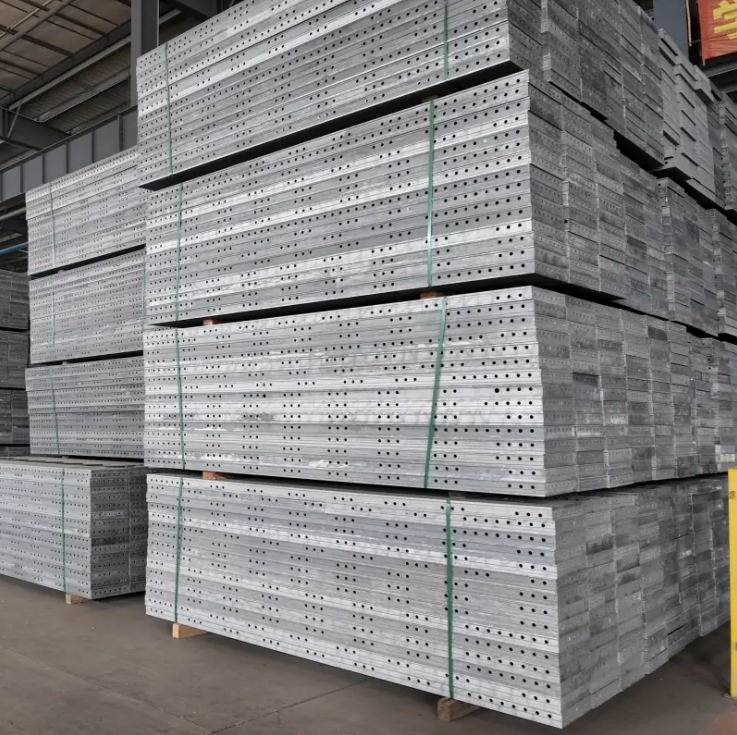
Concrete construction projects require precise coordination between different structural elements. Beams and slabs need to connect accurately to maintain structural quality and support efficient construction processes. Formwork selection plays an important role in achieving consistent dimensions, smooth surfaces, and organized workflows. For projects with repeated layouts, suitable formwork solutions can help construction teams manage installation, adjustment, and reuse more effectively.
Modern construction methods are increasingly focused on reducing material waste and improving site efficiency. Compared with traditional approaches, modular systems provide a more organized way to complete concrete structures. A properly designed formwork system can support different applications, including residential buildings, commercial projects, and other developments that require repeated concrete casting.
Understanding the Role of Beam and Slab Formwork Integration
Beam and slab structures work together as important parts of reinforced concrete buildings. During construction, the connection between these elements requires accurate positioning because small dimensional differences may affect later installation work and overall project coordination.
Aluminum beam formwork is designed to support the formation of concrete beams with consistent dimensions. Its modular structure allows different components to be assembled according to project drawings, helping workers create stable formwork arrangements before concrete pouring.
For high-rise buildings and projects with similar floor designs, repeated construction cycles are common. A suitable formwork method allows teams to follow standardized procedures across different levels, reducing the need for frequent adjustments and improving workflow management.
The integration between beams and slabs also influences the final concrete appearance. When formwork panels maintain proper alignment, the finished surfaces can be smoother and require fewer additional treatments after removal.
Factors That Influence Construction Accuracy
Construction accuracy depends on several elements, including material quality, system design, installation methods, and site management. Formwork should provide stable support during concrete casting while allowing workers to complete assembly and dismantling efficiently.
An aluminum formwork system uses modular components that can be arranged based on different structural requirements. This design helps construction teams manage walls, columns, beams, slabs, staircases, and elevator shafts within the same system. The lightweight structure also supports easier handling during installation.
Another important factor is dimensional consistency. Aluminum alloy materials provide reliable strength and stability for repeated use. In projects where multiple floors share similar layouts, maintaining consistent measurements helps reduce variation between different construction stages.
The reuse capability of formwork is also considered during project planning. A reusable system can help reduce dependence on disposable materials and support more sustainable construction practices.
Exploring Modern Aluminum Formwork Applications
Different construction projects have different requirements for speed, accuracy, and material management. High-rise residential buildings often include repeated floor structures, making modular formwork systems suitable for these applications.
Rongze provides an aluminum formwork system designed for concrete walls, columns, beams, slabs, staircases, and elevator shafts. It develops solutions with lightweight and reusable characteristics, supporting quick assembly and dismantling during construction. The system uses a modular design to help achieve smooth and consistent concrete finishes across repeated construction cycles.
The system is designed for more than 300 reuse cycles, which allows contractors to consider long-term usage during project planning. Its corrosion-resistant properties also make it suitable for different construction environments where durability and maintenance requirements need to be considered.
Customization is another consideration for contractors and developers. Since building structures vary between projects, formwork solutions can be adjusted according to drawings and structural requirements to match specific construction conditions.
Improving Efficiency Through Reusable Formwork Design
Construction efficiency is not only related to working speed but also involves material control, labor organization, and project coordination. A modular system can simplify installation steps and help teams create clearer construction procedures.
Compared with timber and steel formwork methods, aluminum-based solutions can reduce on-site labor requirements while supporting faster construction processes. The components are designed for repeated use, which helps reduce timber consumption and construction waste during multiple project cycles.
Aluminum Beam Formwork also supports better coordination between beam structures and slab construction. When components are prepared according to project requirements, workers can complete installation with clearer positioning and fewer adjustments during each casting stage.
For contractors managing large-scale concrete projects, reusable formwork can provide practical value through consistent application. It allows teams to establish familiar installation methods and maintain stable construction standards throughout different phases.
Choosing a Suitable Solution for Future Projects
Selecting formwork requires consideration of project scale, structural design, construction schedule, and long-term usage plans. Contractors and developers need to evaluate whether the system matches their building requirements instead of focusing only on initial material costs.
Rongze focuses on providing modular formwork solutions for different concrete construction scenarios. It combine reusable aluminum alloy structures with project-based customization to support various building layouts. Its solutions are used in applications such as high-rise residential, apartment, and commercial construction projects.
A well-planned formwork approach can help improve construction organization while supporting consistent concrete quality. For projects requiring repeated structural layouts, selecting a suitable system can simplify daily operations and provide more predictable results.
Building Better Results Through Structural Precision
Beam and slab integration is an important part of concrete construction quality. Accurate formwork design helps construction teams maintain proper dimensions, improve workflow, and manage repeated building processes more effectively.
With the development of modular construction methods, reusable solutions continue to gain attention from contractors and developers. By combining practical design, material durability, and application flexibility, modern formwork systems provide a structured approach for different concrete projects
