Artisan chocolates represent a delicate balance of cocoa solids, sugars, and cocoa butter. Exposure to ambient air, fluctuating temperatures, and light rapidly destabilizes this structure. Preserving handcrafted truffles requires strict control over storage conditions to maintain silky textures and complex profiles.
Humidity poses a major threat to fine confectionery storage. When moisture contacts chocolate, it dissolves surface sugars. As water evaporates, coarse sugar crystals remain behind, creating an unsightly whitish discoloration known in the industry as sugar bloom.
Air contact causes lipid oxidation, where unsaturated fatty acids in cocoa butter react with oxygen. Oxidation creates unpleasant stale flavors while stripping away delicate floral, fruity, or roasted cocoa notes. Hermetic sealing offers the most effective defense against oxygen-induced degradation.
Absorbing external odors poses another challenge for chocolatiers and collectors. Chocolate contains fats that readily trap surrounding scents from spices or pantries. Isolating delicate confections within glass containers prevents unwanted aromatic contamination over extended storage periods.
The Science of Airtight Glass Jar Storage
Glass Mason jars provide an exceptional non-porous barrier against external environmental factors. Unlike plastic wrap or cardboard, glass does not leach chemical compounds or allow vapor transmission. Storing bonbons in glass preserves structural integrity and prevents delicate fillings from drying out.
Removing oxygen from glass jars drastically slows chemical breakdown. Without air inside the vessel, cocoa fats cannot oxidize, and volatile aromatic compounds remain trapped within the chocolate matrix. This vacuum environment extends shelf life significantly without requiring synthetic preservatives or additives.
Vacuum sealing minimizes internal air volume, reducing potential condensation risks. When temperature fluctuations occur, residual moisture inside unsealed containers settles on surfaces. Depressurizing the container stabilizes the internal atmosphere, guarding against surface moisture buildup and mold growth.
Environmental Control Guidelines for Confectioners
Proper temperature management remains essential alongside vacuum preservation. Ideal chocolate storage temperatures range strictly between 55 and 65 degrees Fahrenheit. Exceeding this range softens cocoa butter, leading to fat bloom where untempered fat crystals migrate toward the surface of the confection.
Relative humidity levels must be maintained below 55 percent within storage environments. Excessive ambient humidity jeopardizes packaging seals and accelerates moisture absorption. Combining airtight glass containers with controlled room humidity creates a double barrier against ambient water vapor and heat spikes.
Preventing thermal shock is critical when bringing stored chocolates to room temperature. Jars retrieved from cool cellars should remain closed until reaching ambient warmth. Opening cold containers prematurely invites condensation, compromising the gloss and snap of tempered chocolate.
Streamlining Preservation with a Space Saving Vacuum Sealer
Kitchen counters and preparation tables require efficient spatial organization. Bulky commercial equipment often takes up valuable workspace in professional kitchens. Utilizing a space saving vacuum sealer allows chocolatiers to maintain clean work surfaces while managing storage needs effectively.
Modern culinary technology has made compact sealing devices increasingly powerful. A lightweight space saving vacuum sealer offers high performance without occupying permanent counter space. Users can effortlessly store the device in drawers or cabinets, retrieving it quickly for immediate jar sealing tasks.
Small-batch confectioners benefit immensely from versatile, portable equipment. Integrating a space saving vacuum sealer into daily workflow ensures every jar of artisan truffles receives an instant airtight seal. This approach maximizes pantry storage density while safeguarding sensitive recipes against air exposure.
Advanced Features of the heiyo VP09 Kit
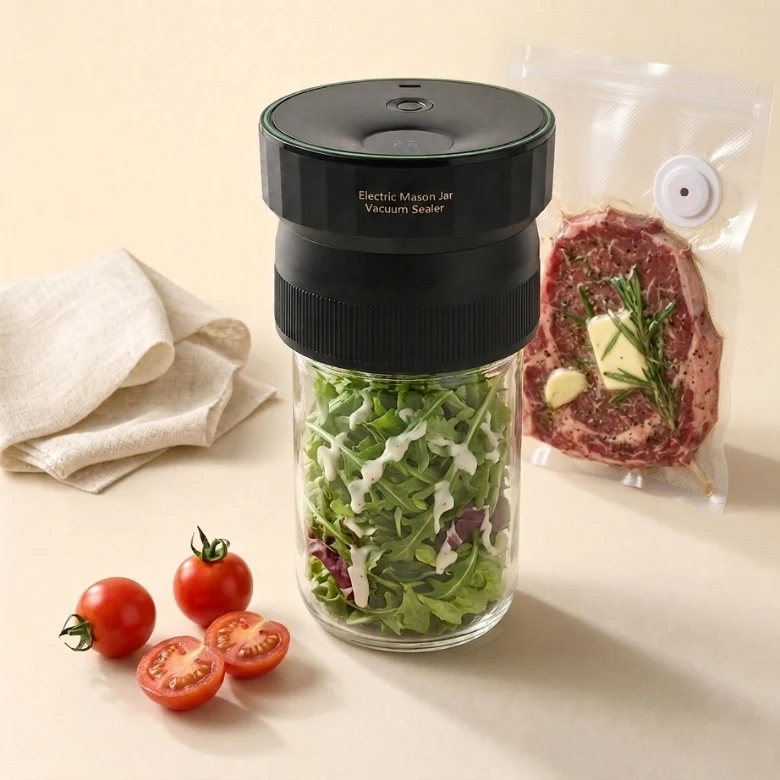
Culinary enthusiasts seeking reliable Mason jar preservation can rely on dedicated tools like the heiyo VP09 3-in-1 vacuum sealer kit. Engineered for versatility, this compact electric device seamlessly seals glass jars, vacuum storage bags, and wine bottles within a single unified design.
At the heart of the heiyo VP09 is an upgraded 80kPa vacuum motor designed for rapid air extraction. This powerful suction creates a tight seal on both Regular Mouth and Wide Mouth Mason jars, effectively locking out oxygen to preserve chocolate freshness over extended periods.
Operating the sealer is straightforward thanks to its automated one-touch system. Placing the unit over the Mason jar lid and pressing start initiates rapid evacuation without manual pumping or awkward adapters. Automatic shutdown ensures precise suction control every single time.
The comprehensive heiyo kit includes essential accessories such as regular and wide-mouth lids, reusable BPA-free vacuum bags, hose connectors, a wine stopper, and a USB charger. Its FCC-certified construction provides dependable performance, making it a valuable asset for delicate food storage.
Step-by-Step Protocol for Vacuum Sealing Chocolates
First, ensure that handcrafted chocolates are fully set and equilibrated to room temperature. Sealing warm confections traps thermal energy inside the jar, leading to internal condensation and undesirable texture changes across the cocoa butter matrix.
Next, arrange the chocolates carefully inside clean, completely dry glass Mason jars. Using food-safe parchment paper between layers prevents delicate decorations or tempered surfaces from scuffing against one another during handling and storage in dark, cool pantries.
Place an unsealed metal lid onto the jar rim, positioning the electric sealer directly above the center. Activate the one-touch suction mechanism to evacuate internal air completely. Once sealed, verify the recessed lid indicator to ensure a perfect hermetic seal has formed.
Finally, store sealed Mason jars upright in a dark location with stable temperatures. Keeping jars away from direct light prevents fat degradation. When ready to serve, allow jars to adjust to ambient room temperature before opening to preserve quality.
