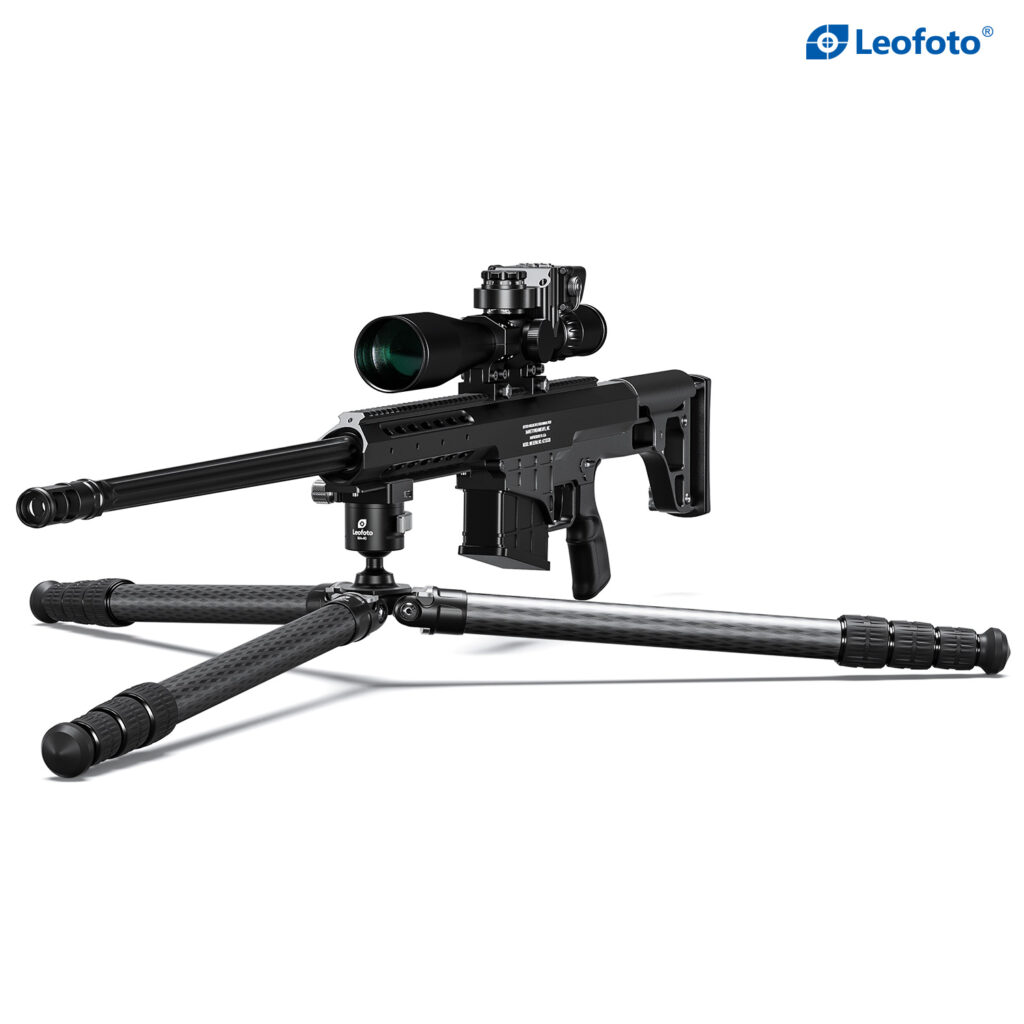
Field marksmen operating across backcountry terrain recognize that shifting weather drastically alters shooting dynamics. Sudden freezes, heavy downpours, and buffeting gusts subject gear to intense mechanical strain. Unprepared shooting platforms quickly develop slack when severe conditions strike.
Evaluating support systems demands analyzing how adverse weather impacts composite structures and control interfaces. Harsh climates test joint stability, tracking fluidness, and deployment efficiency. Selecting appropriate equipment hinges on understanding these environmental stresses beforehand.
Hunters pursuing game across mountain ridges routinely encounter rain, snow, and loose shale within hours. Choosing an adaptable rifle tripod stand requires verifying how mechanical tolerances hold up under extreme weather. Field-ready hardware preserves shooting precision despite deteriorating weather.
Sub-Zero Temperatures and Thermal Stability in the Field
Freezing mountain air reveals stark differences between support materials. Aluminum tubing absorbs ambient cold rapidly, numbing an operator’s hands while turning brittle under impact. Internal condensation can also freeze inside collars, locking up legs.
Multi-layer carbon-fiber constructions resolve thermal conductivity issues during late-season hunts. Carbon composite tubes dampen recoil vibration, resist temperature shifts, and retain dimensional stability. The legs remain comfortable to handle without gloves during sub-zero mornings.
Designers at Leofoto utilize cross-woven carbon-fiber layers that resist resin degradation under freezing temperatures. This composite construction allows leg sections to extend smoothly in frost. Hunters avoid fighting jammed hardware when fast shot opportunities appear.
Internal locking shims must likewise withstand deep winter temperatures without cracking. Durable composite shims maintain steady friction against tube walls, avoiding sudden slippage when plastic components get cold. Reliable lockup preserves elevation angles through freezing sits.
Moisture Ingress, Precipitation, and Corrosion Protection
Driving rain and thawing snow introduce persistent moisture risks into mechanical joints. Water entering leg collars carries fine silt into threads, abrading locking surfaces over time. Unprotected mechanisms develop grinding resistance after wet outings.
Selecting a capable hunting rifle tripod requires inspecting joint seals and locking designs. Collar assemblies built with internal O-rings stop moisture ingress, keeping tube chambers clean during river crossings. Sealed systems prevent water from settling inside leg sections.
Metallic components require protective coatings to survive repeated exposure to moisture. Aircraft-grade aluminum hubs treated with hard-anodized finishes resist surface corrosion and pitting from acidic mud. Quality anodizing maintains smooth thread action despite continuous exposure to wet grit.
Drainage design plays an equally important role during wet deployments. Accumulated water must escape freely to prevent internal hydrostatic pressure or freeze expansion during cold overnights. Proper venting keeps leg sections functioning across multi-day hunts.
Wind Load Resistance and Torsional Rigidity Under Pressure
Exposed ridgelines channel strong crosswinds that produce micro-vibrations across extended legs. These oscillations transfer directly into the rifle chassis, generating reticle wobble at distance. Rigid support tubes help absorb these forces before disturbing crosshair placement.
Generous tube diameters deliver the torsional stiffness necessary to counteract lateral wind gusts. Operating a sturdy rifle tripod stand featuring broad upper leg sections minimizes horizontal drift. Thick tube walls prevent twisting when supporting heavy target rifles.
Apex geometry also influences how platforms react to wind turbulence. Low-profile hubs present minimal surface area to prevailing drafts, keeping center-of-mass aligned under the saddle. Compact apex dimensions reduce buffeting against the central mount.
Engineers at Leofoto integrate ballast attachment points beneath their tripod apexes. Hanging a weighted field pack from the underside anchors the platform against sudden updrafts. This added downward tension stabilizes the entire shooting system in high winds.
Tactile Operation with Heavy Gloves in Freezing Rain
Sleet and freezing rain force hunters into thick insulated gloves during long glassing sessions. Small control levers become awkward to operate when fingers lose dexterity. Fumbling with undersized controls wastes critical setup time when targets step out.
Twist locks with deep rubber knurling allow quick leg adjustment without removing gloves. Short-throw collar mechanisms loosen or secure legs with half-turn movements. Aggressive grip patterns provide positive tactile confirmation even through wet fleece or heavy mittens.
Ball head controls must offer precise tension regulation in slick environments. Deploying an ergonomic hunting rifle tripod with oversized adjustment knobs lets shooters set drag resistance while wearing thick gloves. Controlled friction prevents rifles from tipping unexpectedly when unclamped.
Positive locking feedback prevents accidental equipment separation during hasty repositioning. Mounting clamps with tactile safety stops confirm positive rail engagement even in blowing sleet. Clear physical detents let shooters verify rifle attachment purely by feel.
Substrate Anchoring Across Mud, Ice, and Loose Snow
Saturated mud, greasy clay, and hard ice challenge tripod footing. Smooth rubber feet that grip dry rock slide easily across frozen surfaces or sink into boggy tundra. Foot movement under recoil ruins sight pictures during follow-up shots.
Interchangeable feet allow shooters to adapt leg contact to changing ground. Removing rubber caps reveals stainless steel spikes that bite directly into frozen turf or timber. Hardened steel points penetrate crusty surfaces to establish solid ground contact.
Support systems from Leofoto offer modular foot options engineered for backcountry surfaces. Installing broad snow baskets prevents leg tips from plunging into deep powder during winter stalks. Wider footprints distribute platform weight evenly over soft, shifting ground.
Multi-angle leg stops assist in leveling platforms on steep, muddy banks. Independent leg splay angles allow operators to establish stable tripod geometry on uneven terrain. Positive mechanical stops keep legs firmly positioned when resting against slick slopes.
Environmental Demands and Backcountry Performance
Atmospheric forces govern every mechanical requirement of hunting support systems. Sub-zero air demands advanced composites, rain calls for sealed joints, wind requires broad tubes, and slick terrain necessitates aggressive steel spikes.
Investing in a well-built rifle tripod stand prevents mechanical breakdown when storms roll in unexpectedly. Matching equipment attributes to anticipated weather patterns preserves operational reliability. Thoughtful preparation keeps shooters focused on shot execution rather than managing failing gear.
Choosing a specialized hunting rifle tripod built with sealed components and rigid carbon-fiber turns challenging weather into a manageable factor. Rugged equipment keeps backcountry marksmen steady, confident, and accurate across every demanding hunting season.
