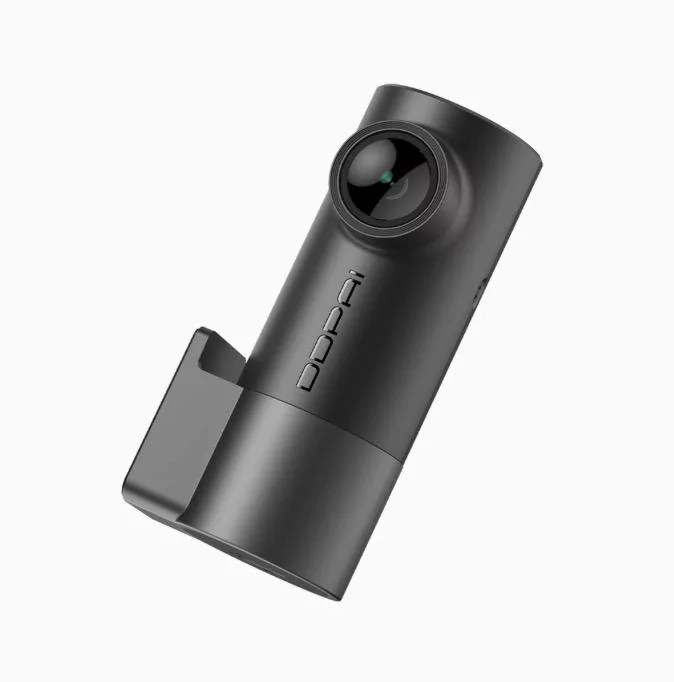
Driving through busy urban streets or long provincial highways in Southeast Asia presents a unique set of challenges for vehicle electronics. From sweltering tropical heat to sudden torrential downpours, vehicular electrical systems undergo constant stress. The Philippines’ tropical climate and diverse road conditions further exacerbate vehicle electrical instability, with frequent extreme weather and long-duration outdoor parking putting sustained pressure on all automotive electronic accessories.
Many motorists often wonder: “Why do car accessories sometimes glitch during engine ignition, and how do modern vehicle recording devices cope with erratic power flows?” For everyday drivers seeking reliable vehicle security, understanding how hardware responds to electrical irregularities is essential for maintaining dependable accident evidence.
Understanding Automotive Electrical Instability
Vehicle electrical systems are rarely static. Every time a driver turns the ignition key, switches on high-draw components like air conditioning compressors, or encounters uneven power output from aging alternators, micro-surges and voltage sags occur. In regions with demanding climate conditions, these fluctuations can become more pronounced. Standard plug-in electronics rely heavily on steady current levels to function correctly. When voltage dips unexpectedly, sensitive processors can reboot, or worse, written files can become corrupted mid-recording.
Car owners frequently ask whether minor electrical blips can permanently damage onboard electronics. While high-end vehicles feature complex regulation modules, cigarette lighter sockets and auxiliary ports still experience brief micro-interruptions during heavy accessory loads or starting sequences. Ensuring uninterrupted operation requires hardware designed specifically to absorb or bypass these electrical hiccups without failing.
The Vulnerability of Conventional Battery Systems
Traditional dash cameras powered by standard lithium-ion batteries often struggle under erratic power conditions combined with extreme cabin temperatures. When a vehicle is parked under direct sunlight, interior temperatures can rise rapidly. Combined with unstable charging voltage from worn vehicle batteries, lithium cells are prone to chemical degradation, swelling, or thermal shutdowns.
Furthermore, when an unexpected power cut happens due to a severe voltage drop, traditional batteries may fail to supply sufficient residual power to safely save the final video segment. This vulnerability leaves a dangerous gap in critical footage right when an incident might occur. Drivers need robust engineering that looks beyond basic lithium chemistry to guarantee continuous performance under fluctuating environmental and electrical states.
Engineering Solutions for Stable Power Management
To combat the challenges posed by electrical volatility, top-tier manufacturers integrate advanced power-handling architecture into their devices. Instead of relying on vulnerable chemical batteries, modern units often utilize high-grade supercapacitors. These components are engineered to withstand extreme temperature ranges, operating reliably from negative twenty degrees Celsius up to seventy degrees Celsius. Supercapacitors handle rapid charge and discharge cycles efficiently, making them immune to the degradation typical of standard batteries during voltage surges.
Moreover, sophisticated power management circuits actively monitor incoming current. When micro-fluctuations occur, internal regulators smooth out the electrical flow before it reaches the core processor. This protective barrier ensures that transient spikes do not cause system crashes or data corruption.
Complementing hardware power safety, advanced file protection mechanisms play a vital role. For example, reliable devices incorporate dual-storage architecture, such as combining high-speed eMMC storage ranging from thirty-two gigabytes to one hundred twenty-eight gigabytes with backup recovery protocols. This design ensures that even if a sudden power loss occurs precisely during an emergency event, local data remains intact. For motorists searching for a dependable dash cam Philippines, choosing equipment equipped with these resilient power layers provides immense peace of mind on the road.
Real-World Scenarios and Practical Applications
Consider a common scenario: navigating heavy monsoon traffic while operating wipers, headlights, and defrost systems simultaneously. The vehicle’s alternator works overtime, leading to subtle voltage variations across accessory circuits. A poorly regulated recording device might freeze or restart repeatedly under these conditions, missing crucial moments of traffic flow.
In contrast, a resilient dash cam maintains steady operations despite these background electrical demands. When drivers select a quality dash cam, they invest in continuous oversight that captures essential footage regardless of environmental stress. Furthermore, professional installation through established offline partner networks ensures that hardwire kits are properly fused and connected, minimizing the risk of improper current delivery right from the source. Many overlooked road accidents happen precisely during engine cranking or sudden electrical load spikes, making consistent power stability a core requirement for daily commuters and long-distance travelers alike.
Ensuring Long-Term Vehicle Safety
Maintaining vehicular safety involves more than just routine mechanical maintenance; it extends to the digital guardians monitoring the road ahead. By understanding how electrical systems behave and selecting hardware engineered to withstand voltage irregularities, motorists can protect themselves against unexpected liabilities. Clear, uncorrupted footage serves as credible evidence for insurance claims and traffic dispute resolutions, helping drivers avoid unfair compensation disputes and legal misunderstandings.
DDPAI Philippines focus on delivering robust solutions tailored to modern driving conditions, emphasizing stable performance and minimal after-sales maintenance. Through reliable hardware design, advanced thermal resistance, and intelligent power regulation, drivers can focus on the journey ahead, confident that every mile is safely documented.
