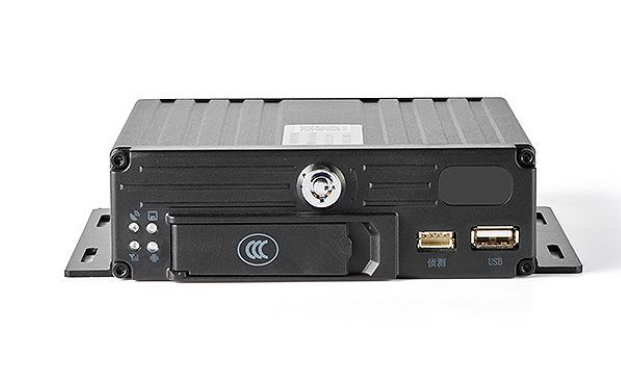
Choosing between an MDVR and an AI dashcam depends on how a fleet operates, not simply on camera resolution or AI labels. Fleet managers need to consider vehicle type, camera coverage, driver-risk monitoring, data upload, platform integration, storage, and maintenance. A mobile digital video recorder system is usually more suitable for fleets that require several camera channels, while an AI dashcam may fit operations focused mainly on the road ahead and driver behavior.
How the Two Device Types Differ
An MDVR works as a central recording and communication unit inside the vehicle. It can connect several cameras positioned around the vehicle and store video from different angles.
An AI dashcam usually has a more compact structure. It often combines forward-facing recording with driver-facing monitoring. Functions such as ADAS or DMS can help detect selected driving risks, including distraction, fatigue, or unsafe road situations.
The main difference is coverage. A vehicle video monitoring system built around an MDVR can monitor several areas of the vehicle. An AI dashcam normally focuses on fewer viewing angles but can provide more direct driver-risk monitoring with a simpler hardware layout.
Camera Coverage Should Match the Vehicle
Vehicle design should be one of the first factors considered during selection. A delivery van may only require front and cabin recording. A passenger bus may need cameras for the road, passenger area, rear section, doors, and vehicle sides.
Heavy trucks, mining vehicles, and engineering fleets can have larger blind areas. Extra camera channels may provide useful visual records for reversing, side movement, loading areas, or incident investigation.
A mobile digital video recorder system can be more practical when several camera positions are required. However, a smaller fleet with simple monitoring needs may not benefit from additional wiring and cameras. The equipment should match the real risk points of the vehicle.
AI Functions Change the Buying Decision
AI features matter when a fleet wants to move beyond basic video recording. DMS can support driver behavior monitoring, while ADAS can provide alerts related to selected road conditions.
Fleet managers should look beyond the name of each AI function. They need to review how alerts are triggered, what data is uploaded, and how managers receive information. Poor alert logic can reduce the practical value of a device.
For fleets that need both multi-channel recording and AI-based monitoring, BSJ Technology provides the ED02R as one practical MDVR configuration. It supports high-definition four-channel recording, real-time uploads, and AI functions including ADAS, DMS, and BSD. Its design is intended for fleet monitoring, safety management, operational oversight, and compliance-related video review.
Platform Integration Matters for B2B Fleets
For distributors, system integrators, and fleet solution providers, hardware is only one part of the project. The device may need to connect with an existing fleet management system or a third-party telematics platform.
A vehicle video monitoring system should therefore be evaluated for communication interfaces, data transmission, remote access, event upload, and platform compatibility.
This is particularly important for solution providers serving different fleet customers. BSJ Technology supports OEM and ODM cooperation and can work with third-party software platforms such as Wialon and GpsGate. This gives integrators more flexibility when combining hardware with an existing software environment.
Storage and Upload Strategy
Video systems also need a clear data strategy. Continuous high-resolution recording can create large amounts of data, so local storage capacity and overwrite rules should match the fleet’s review requirements. Fleets should decide how long footage needs to remain available and which events require remote backup.
Real-time uploads can be useful for urgent events, but transmitting all footage continuously may increase mobile data use. Event-based upload, remote retrieval, and selective live viewing can help balance visibility with network cost, especially for fleets operating across different regions.
Fleet operators should also define who can access stored footage and how video records are retrieved during accident reviews, insurance claims, or compliance checks. Clear access rules can make later investigation work more consistent.
Fleet Size Affects Deployment Planning
Large fleet projects need to consider installation time, camera wiring, maintenance, replacement procedures, remote diagnosis, and technical support.
An AI dashcam can be easier to install when vehicles share a similar layout and only need front-road and driver monitoring. This can suit logistics or service fleets that want a relatively simple rollout across many vehicles.
An MDVR may be more suitable for buses, school transport, cold-chain vehicles, mining trucks, or engineering fleets that need several camera angles. A mobile digital video recorder system can also provide broader evidence when incidents involve passengers, cargo areas, blind spots, or activity around the vehicle.
Which Option Fits the Fleet
There is no single choice that works for every fleet. AI dashcams are often suitable for fleets that mainly focus on driver behavior, forward-road events, and simpler deployment. MDVRs are generally more appropriate when the vehicle requires multiple cameras, wider visual coverage, and more complex monitoring tasks.
Before purchasing, fleet managers should define the required camera positions, AI functions, vehicle risks, storage rules, data upload needs, software integration, and maintenance process. A well-planned vehicle video monitoring system should reflect daily operating conditions rather than simply offering more functions. Matching the device type to the fleet structure can make deployment more practical and help managers use video data more effectively.
