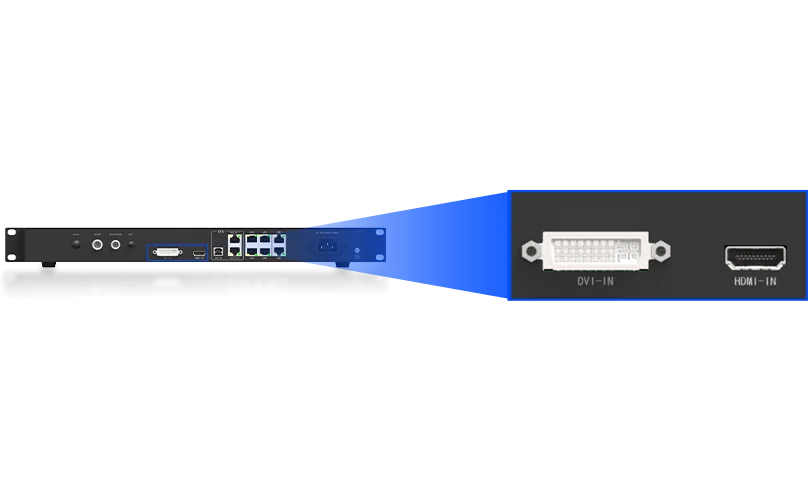
The performance of an LED display depends on more than just LED modules and cabinets. Behind every stable and high-quality visual experience is a reliable control system that ensures accurate signal transmission, precise image processing, and consistent brightness. One of the most important components in this system is the LED screen receiving card.
An LED screen receiving card works as the communication bridge between the control system and LED modules. It receives processed image data, converts signals into formats that LED driver chips can understand, and controls the final image output. Choosing the right receiving card directly affects display stability, image quality, and long-term maintenance efficiency.
Understanding the Role of an LED Screen Receiving Card
How Does an LED Screen Receiving Card Work?
An LED screen receiving card is installed inside LED cabinets and receives data transmitted from sending cards or video controllers. After receiving the signal, it processes the data and distributes it to LED modules through HUB interfaces.
The receiving card controls important display functions, including grayscale performance, color adjustment, brightness consistency, and signal synchronization. A high-quality card helps ensure that every pixel displays the correct information at the right time.
In large LED walls, thousands or even millions of pixels must operate simultaneously. Without a stable receiving system, users may experience problems such as flickering, color differences, image distortion, or signal interruptions.
Why Is the Receiving Card Important for LED Display Quality?
Many users focus on LED pixel pitch and cabinet design when selecting a display, but the control system has an equally important influence on visual performance. The LED screen receiving card determines how efficiently image data reaches each LED module.
For professional applications such as XR studios, broadcast environments, and commercial displays, precise image processing is essential. Advanced receiving cards can support features such as pixel-level calibration, high grayscale performance, and improved color accuracy to create more realistic and uniform images.
Key Factors When Choosing an LED Screen Receiving Card
- Check Compatibility With LED Modules
The first consideration when selecting an LED screen receiving card is compatibility. Different LED modules use different driver ICs, scanning methods, and communication structures.
A suitable receiving card must match the technical requirements of the LED modules, including:
Driver IC compatibility
Scan mode support
Data group requirements
HUB interface configuration
Choosing an incompatible card may cause abnormal brightness, incorrect colors, or unstable operation. Professional suppliers usually provide configuration tools to help engineers match receiving cards with specific LED modules.
- Consider Loading Capacity and Screen Size
The loading capacity determines how many pixels one receiving card can control. Larger LED screens with higher resolutions require receiving cards with stronger processing capabilities.
For example, large venue displays, stage backgrounds, and outdoor advertising screens usually require cards that can handle higher pixel loads. Kystar’s receiving card solutions include different series designed for various applications, from general commercial displays to high-end visual environments.
Before choosing a card, project designers should calculate:
Total screen resolution
Cabinet arrangement
Number of LED modules
Required refresh rate
This ensures that the receiving card can deliver stable performance without exceeding its capacity.
Advanced Features That Improve LED Display Performance
High Grayscale and Color Accuracy
For applications where image quality is critical, color reproduction is a major factor. A professional LED screen receiving card can improve grayscale levels and maintain accurate color transitions, especially in low-brightness environments.
This is important for broadcast studios, XR virtual production, and indoor fine-pitch LED displays, where cameras and audiences can easily detect small visual imperfections.
Kystar receiving card products support advanced color adjustment functions, including RGB independent adjustment and gamma control, helping engineers achieve consistent color performance across large LED screens.
Calibration and Image Uniformity
Large LED displays often contain thousands of modules produced at different times or from different batches. Even small differences between modules can create visible brightness variations.
A high-performance receiving card should support calibration technologies that improve image consistency. Features such as pixel-level correction and module batch adjustment help create a smoother visual surface.
These functions are especially valuable for premium installations where image quality must remain consistent across the entire display area.
Signal Backup and System Reliability
For live events, command centers, and mission-critical displays, stability is one of the most important requirements.
A reliable LED screen receiving card should include protection features such as signal backup and communication monitoring. If a signal cable fails, backup mechanisms can help prevent black screens or visible interruptions.
Kystar receiving card series are designed with reliability features such as loop backup and firmware protection to support stable operation in demanding environments.
Selecting the Right Receiving Card for Different Applications
Stage Events and Live Performances
Live production environments require low latency and high reliability because any display problem can affect the audience experience.
For concerts, festivals, and stage productions, receiving cards should provide stable signal transmission, fast configuration, and reliable operation during continuous use.
XR Virtual Production and Broadcast
XR studios require extremely high image accuracy because LED screens are captured directly by cameras. Any inconsistency in brightness, color, or synchronization can affect production quality.
An advanced LED screen receiving card with high grayscale processing and precise calibration capabilities helps create realistic virtual environments.
Commercial and Fixed LED Installations
Retail displays, corporate halls, museums, and public information screens often operate for long periods. These projects require receiving cards that offer durability, easy maintenance, and consistent output.
Engineers should prioritize long-term reliability and compatibility with future system upgrades when selecting equipment.
Common Mistakes to Avoid When Choosing a Receiving Card
One common mistake is choosing a receiving card only based on price. A low-cost solution may lack important features needed for stable operation or future expansion.
Another mistake is ignoring system compatibility. Even a powerful receiving card cannot deliver good results if it does not match the LED modules, driver chips, or control system.
Users should also consider after-sales support, firmware updates, and technical assistance. These factors can significantly reduce maintenance challenges throughout the product lifecycle.
Conclusion
Choosing the right LED screen receiving card is essential for achieving stable, high-quality LED display output. The correct solution should provide strong compatibility, sufficient loading capacity, accurate image processing, and reliable signal management.
From live events and XR studios to commercial installations, professional receiving cards ensure that LED displays deliver consistent performance and excellent visual quality. Kystar focuses on developing reliable LED control solutions that help system integrators build efficient and stable display systems.
By evaluating technical requirements carefully and selecting a receiving card designed for the specific application, users can maximize display performance and create long-lasting visual experiences.
