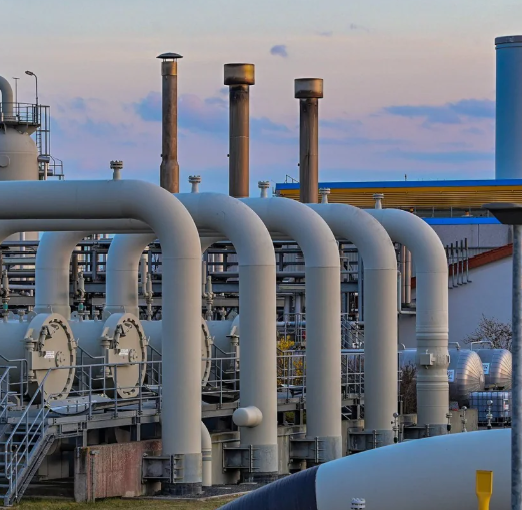
Natural gas networks connect production fields to consumption centers. These converge at regional hubs, where extreme transmission pressures must be reduced for local distribution. Historically, facility operators used standard throttling valves. While these safely regulate pressure drop, they dissipate immense amounts of stored kinetic energy as wasted environmental heat and noise.
As the industrial sector prioritizes efficiency, operators are reevaluating traditional methods. Instead of permanently losing this thermodynamic potential, facilities can capture it. By installing rotating expansion equipment, distribution hubs can convert pressure reduction into usable mechanical work. This modern approach transforms a standard operational requirement into an opportunity to generate clean utility resources directly on-site.
The Mechanics of Capturing Wasted Pressure
The core technology enabling this is the turbo expander. When high-pressure gas is routed through this machine, it is forced through stationary nozzles that accelerate the fluid. This high-velocity gas impacts a rotating turbine wheel, forcing it to spin rapidly. The turbine extracts mechanical energy from the gas stream while accurately dropping its pressure to the required downstream level.
This spinning turbine shaft connects to an electrical generator. As the turbine reduces gas pressure, the generator produces clean electricity. This power can immediately offset the operational electrical demands of the hub facility. If the site generates a surplus, the electricity can be exported to the local commercial grid, creating a potential secondary revenue stream.
However, implementing an energy recovery system is rarely a plug-and-play scenario. The economic viability of capturing this pressure depends entirely on the scale and consistency of the operations. Minor pressure drops do not contain enough thermodynamic potential to justify the significant capital investment required for rotating machinery. Facilities must exhibit a substantial and reliable pressure differential.
Generating Valuable Industrial Cooling
Beyond electricity, gas expansion provides another highly valuable byproduct: intense cooling. The expansion can be evaluated against an ideal isentropic process, while actual performance depends on the expander’s efficiency and operating conditions.The gas exits the expander at temperatures often falling well below freezing. Rather than viewing this extreme cold as a hazard, modern facilities can harvest it.
Through specialized heat exchangers, this cold energy is safely transferred to a secondary cooling loop utilizing chilled water or glycol. This captured thermal energy can support nearby cold storage warehouses, district cooling networks, or data centers. Utilizing this zero-carbon cooling reduces reliance on traditional mechanical chillers, boosting the thermal efficiency of the industrial area.
Despite the immense thermal potential, practical cooling integration relies entirely on local demand. Cold energy is notoriously difficult and expensive to transport over long distances because insulated pipes eventually absorb ambient heat. Therefore, the commercial off-taker must be geographically adjacent to the pressure reduction hub. Without a nearby consumer, the extreme cold remains an untapped byproduct.
Integration with Existing Pressure Regulation
While generating power and cooling is highly attractive, it must never supersede the facility’s primary directive. A regional hub exists to guarantee safe, uninterrupted gas delivery to downstream consumers. Any new machinery must integrate flawlessly with the site’s existing infrastructure. The expansion turbine is typically installed parallel to the original throttling valves, allowing the station to maintain distribution capabilities.
This parallel configuration is critical for overall safety and operational redundancy on the natural gas pipeline. High-speed rotating equipment requires routine maintenance, lubrication, and occasional planned shutdowns. During these periods, automated control systems instantly detect the offline status and seamlessly route the gas flow back through traditional throttling valves. This automated bypass ensures continuous downstream gas supply.
Meeting Strict Downstream Requirements
Integrating expansion technology also introduces strict downstream thermodynamic constraints. Standard carbon steel pipes can become dangerously brittle if exposed to severe, unmitigated freezing temperatures. Operators must identify the absolute minimum temperature rating of their downstream piping network. The gas exiting the expansion turbine must always remain safely above this critical threshold to prevent catastrophic pipeline failure.
To satisfy these temperature limits, facilities must often install heavy-duty pre-heating equipment. Industrial water bath boilers are used to elevate the temperature of the gas stream before it enters the turbine. By pre-heating the gas, engineers ensure that even after the massive temperature drop caused by expansion, the final exhaust gas remains warm enough to safely enter the distribution network.
Evaluating the True Potential for Savings
Because pre-heating requires a fuel source, operators cannot assume universal savings for every installation. The fuel cost for pre-heaters must be weighed against the value of generated electricity and cooling. If a facility lacks cheap fuel or industrial waste heat, pre-heating costs can negate the economic benefits of the energy recovery project.
True financial viability depends heavily on site-specific operational data. Facilities must demonstrate continuous, high-volume flow rates and large pressure ratios to make the investment worthwhile. Hubs with highly variable seasonal demand may struggle to keep a turbine running at optimal aerodynamic efficiency. A comprehensive feasibility study is strictly required to determine if a specific hub can practically benefit.
Aligning Hub-Scale Recovery with Site-Specific Economics
Regional gas hubs hold real potential for power and cooling recovery, but success depends on consistent pressure differential, high-volume flow, manageable pre-heating costs, and a nearby off-taker for cold energy. Each of these variables must be validated against site data before committing to equipment. Joulong Energy Technology Co., Ltd. develops turbine expanders and natural gas pressure differential power generation systems with in-house R&D, delivering customized solutions for hub-scale energy recovery without additional fuel consumption. Contact Joulong to evaluate your hub’s operating profile and explore whether recovery makes economic sense for your facility.
