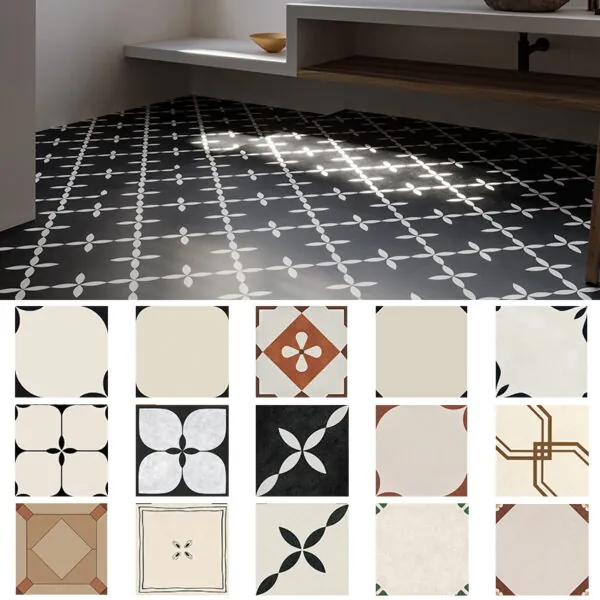
Designing a functional culinary space involves selecting durable materials that withstand demanding daily activities while reflecting a specific, curated vision. Incorporating visual motifs directly into the interior architecture offers an effective way to personalize these environments. Strategic use of surface materials transforms a standard cooking area into a highly dynamic interior.
Thoughtful placement of decorative elements establishes distinct functional zones within open-plan residential layouts. Utilizing patterned kitchen tiles provides interior designers and homeowners with versatile, creative options to introduce unique character. These materials serve as compelling visual focal points that generally complement contemporary cabinetry and traditional architectural framing alike.
Selecting Scale and Motifs for Patterned Kitchen Tiles
The scale of a chosen motif significantly influences the perceived spatial dimensions of any given room. Large, sweeping geometric designs often suit expansive floor plans, helping to anchor the space visually. Conversely, intricate or smaller motifs tend to work exceptionally well in compact areas, adding necessary detail without overwhelming the viewer.
Designers frequently categorize decorative motifs into distinct stylistic families. Floral and botanical prints usually align well with transitional or classic interior themes. Meanwhile, crisp geometric lines frequently enhance modern, minimalist environments by providing a structured visual contrast against flat, unadorned cabinet surfaces and streamlined appliances.
Strategies for Durable Flooring Applications
Grounding a room with decorative flooring requires careful consideration of both long-term aesthetics and structural material strength. Floors experience continuous, heavy foot traffic and shifting furniture over their functional lifespan. Therefore, selected materials must feature a robust surface glaze that protects the underlying printed motif from premature wear, scratches, and scuffing.
Encaustic-inspired ceramics or high-definition printed porcelain offer practical solutions for these horizontal surfaces. When laying decorative flooring, it is often advisable to maintain a neutral color palette on the surrounding walls. This balanced approach allows the complex floor layout to serve as the primary artistic element.
Elevating Vertical Zones and Backsplashes
Wall applications present an excellent architectural opportunity to integrate intricate, engaging designs directly at eye level. Installing patterned kitchen tiles across a continuous backsplash creates a compelling focal point directly behind stoves or sinks. This vertical placement naturally draws attention upward, which can make standard ceilings appear higher and more expansive.
When specifying decorative materials for vertical cooking zones, designers consider the proximity to heat and cooking oils. Ceramic and porcelain naturally resist typical culinary stains when properly glazed during manufacturing. The protective surface ensures that the intricate decorative patterns remain vibrant and easy to clean following meal preparation.
Coordinating Colors with Surrounding Cabinetry
Harmonizing a patterned surface with existing room elements requires a structured approach to color theory. Many interior planners select a dominant hue directly from the decorative tile to echo throughout the wider space. Pulling a specific shade into nearby cabinetry paint creates a cohesive, intentional room scheme.
Contrasting tones can also produce striking architectural results when planned methodically. Pairing monochromatic geometric motifs with rich natural wood tones often yields a balanced, sophisticated environment. Evaluating material samples alongside countertop swatches under actual lighting conditions helps verify that the chosen colors interact favorably throughout the day.
Manufacturing Consistency and JLA Ceramics
Procuring decorative surface materials requires dependable manufacturing processes to ensure absolute pattern continuity. Inconsistent printing or misaligned glazing can disrupt the visual flow of a continuous layout. Sourcing from experienced manufacturers ensures that each piece within a large batch aligns correctly during the final installation phase.
Advanced production facilities utilize sophisticated glazing and digital printing technologies to achieve highly precise, high-definition motif reproduction. Companies such as JLA Ceramics implement structured quality control systems to assess color consistency across batches. This manufacturing discipline helps maintain visual uniformity that could otherwise compromise the intended architectural design.
Scalable production capacity also supports diverse architectural requirements across various project sizes. JLA Ceramics produces varied collections featuring distinct motifs, accommodating both intimate residential renovations and commercial hospitality projects. Reliable suppliers provide interior design specialists with the essential resources necessary to execute complex decorative layouts with confidence.
Protecting Decorative Finishes Over Time
The visual longevity of a patterned installation depends heavily on technical material properties and consistent daily maintenance routines. A high-quality factory glaze acts as an impermeable, protective shield, locking the printed motif safely beneath a durable layer. This non-porous barrier is crucial for areas exposed to frequent moisture and routine wiping.
Maintaining these decorative surfaces typically involves gentle, non-abrasive cleaning solutions. Harsh acidic chemicals are rarely necessary and can dull the glossy surface finish over extended periods. Routine care with pH-neutral products preserves the clarity of the pattern while maintaining a hygienic environment for safe food preparation.
Finalizing Your Culinary Design Strategy
Integrating decorative motifs into a culinary space effectively balances artistic expression with practical architectural engineering. Whether applied to horizontal traffic zones or vertical splash guards, patterned kitchen tiles offer a versatile medium for interior customization. Careful evaluation of visual scale and material durability simplifies the overall specification process.
JLA Ceramics is a professional wall and floor tile manufacturer based in Foshan, China, offering a pattern tile collection alongside custom design and OEM services. With production experience and export expertise, the company supplies materials that support both aesthetic and functional requirements across residential and commercial projects. To browse the full pattern range or discuss custom specifications, visit JLA Ceramics.
